
Sell More on Etsy Using AI Virtual Models
Create scroll-stopping product photos with AI model technology — without hiring models, photographers, or spending hours editing.
Turn basic product images into premium lifestyle visuals that get more clicks, more favorites, and more sales.
- Instant Download
- Beginner Friendly
- Works for Clothing, Accessories, Jewelry & More
Get the full ebook for just $4.99 — reserved for the first 100.
You're not losing sales because your product isn't good…
You're losing sales because your photos aren't stopping the scroll.
On Etsy, shoppers decide in seconds. If your listing photos look:
- too plain
- unprofessional
- inconsistent
- poorly lit
- or not lifestyle-focused
…you're getting skipped, even if your product is amazing.
Hiring models and photographers is expensive. DIY shoots take forever. And most Etsy sellers don't have time to create "Pinterest-worthy" content every week.

That's where AI Virtual Models come in.
AI virtual model technology allows you to create high-quality, realistic lifestyle images that make your products look like a premium brand — without needing:
- A real model
- A studio
- A camera setup
- Expensive editing software
- Endless reshoots
This ebook teaches you exactly how to use this technology the right way — so your Etsy listings look professional, modern, and trustworthy.

What you'll learn
Inside this ebook, you'll learn:
- How AI virtual models work (without complicated jargon)
- Which tools Etsy sellers should use (free + paid options)
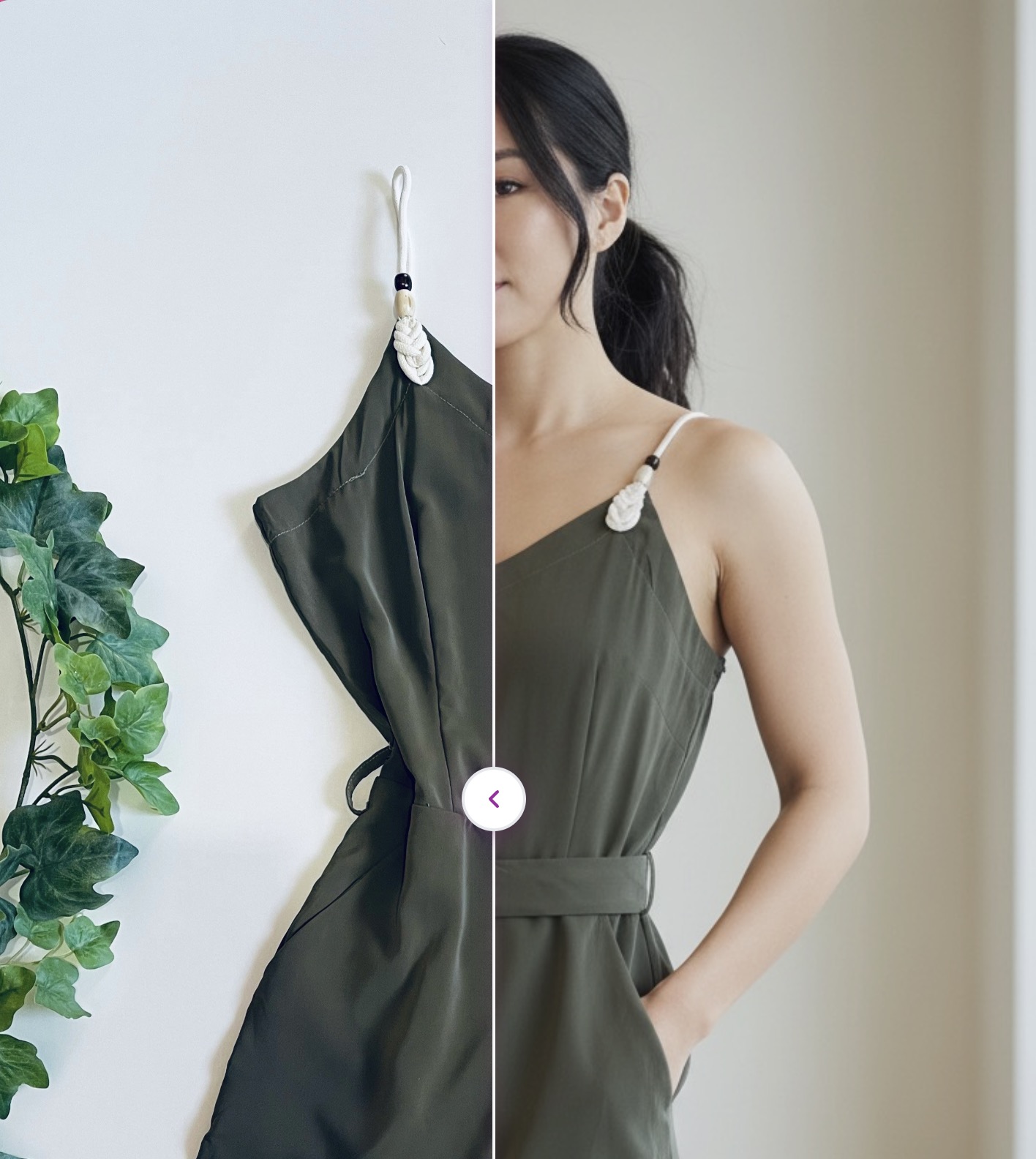
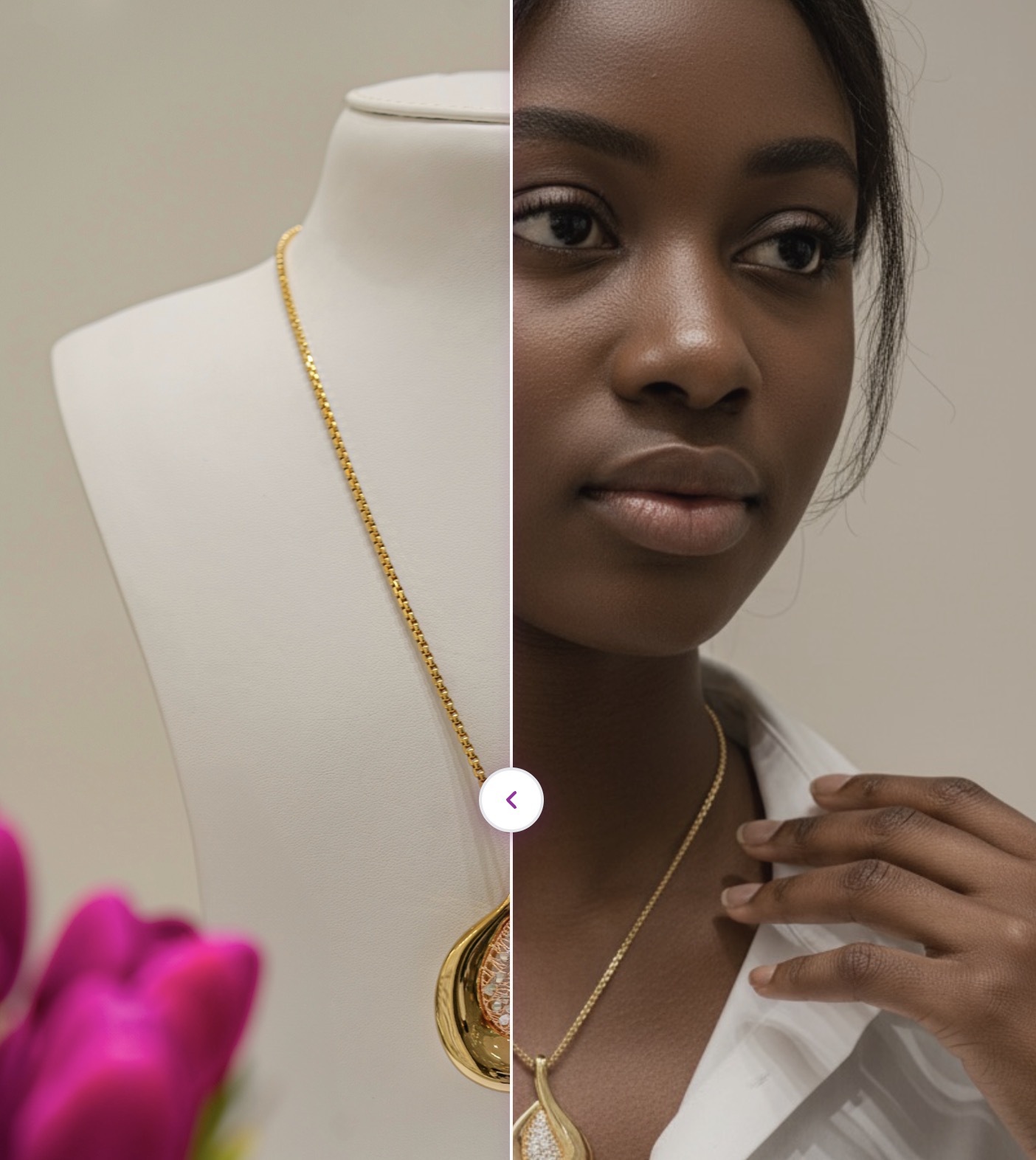
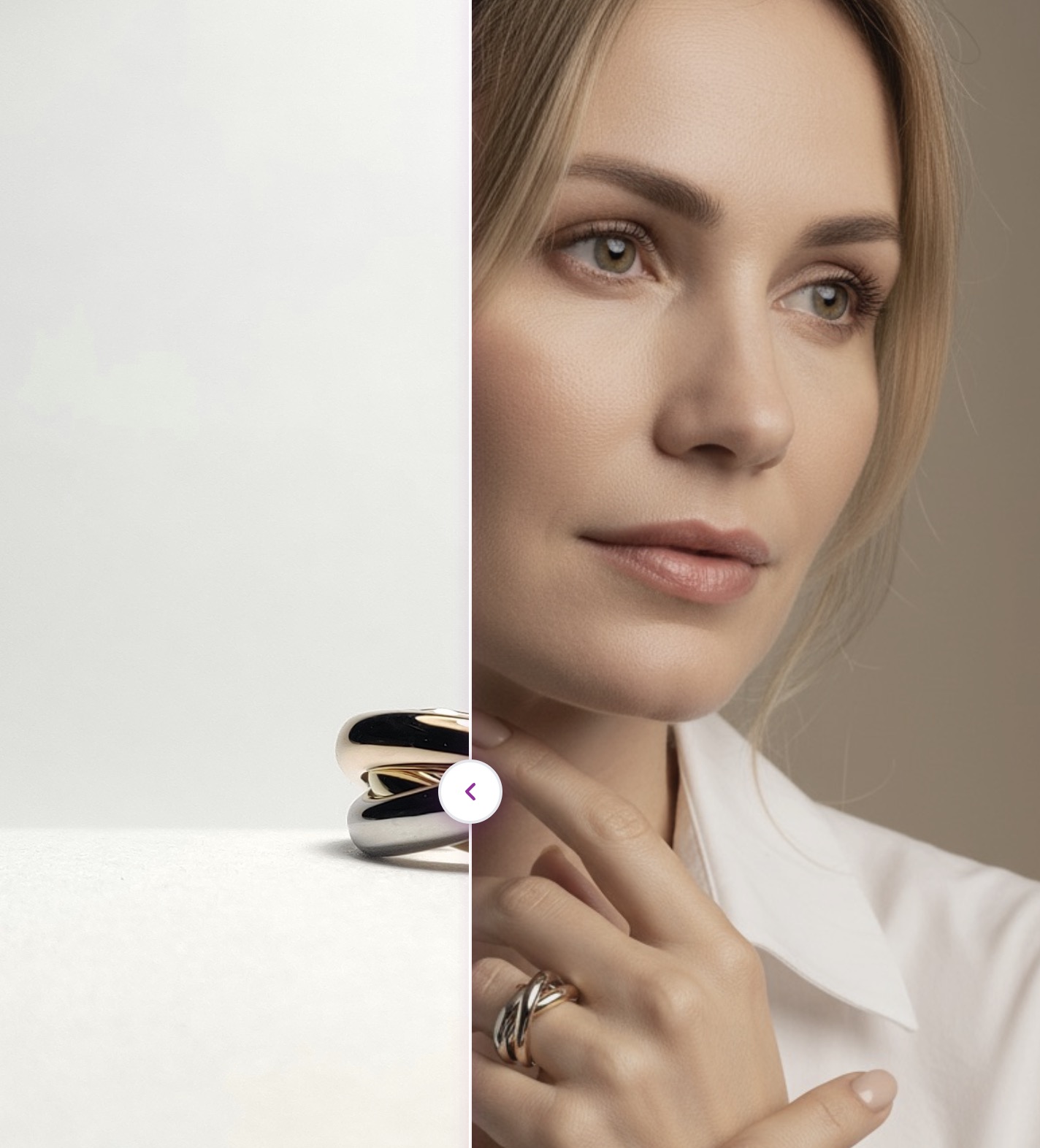
- How to turn a basic product photo into a realistic model image
- How to create lifestyle images that look like a real brand photoshoot
- The best AI prompts for fashion, jewelry, accessories & handmade products
- How to make AI images match your product colors and style
- How to avoid "fake-looking" results that hurt trust
- How to use AI model images to increase conversion rates
- How to optimize Etsy listing photos for click-through
- How to combine AI images with Etsy SEO for maximum traffic
- The legal/ethical rules Etsy sellers should follow
- How to create a consistent shop look that builds brand trust

Who this book is for
This ebook is perfect for:
- Etsy sellers struggling with product photos
- Handmade shop owners who want a more premium look
- Clothing and apparel sellers who need models but can't hire them
- Sellers who want more sales without spending hundreds on photography
- Anyone who wants to stand out in competitive Etsy niches
- Beginners who want a simple guide they can follow quickly

What this will do for your Etsy shop
After reading this ebook, you'll be able to:
- Create professional model-style listing images in minutes
- Increase clicks from Etsy search results
- Improve trust and brand quality
- Make your shop look more expensive (even if prices stay affordable)
- Build a consistent visual style that customers recognize
- Save time and money on photography
- Increase conversion rates with better visuals

Before & after
Imagine this: Your listing goes from a plain product photo on a table → to a clean lifestyle image on a realistic model, with lighting that looks like a brand photoshoot. This is what makes shoppers stop scrolling.
When you buy today, you also get
Copy-and-paste prompts that generate better results instantly.
The exact image structure that top-selling Etsy shops use.
Start creating AI model photos in under 30 minutes.
Frequently Asked Questions
Do I need AI experience?
No. This guide is beginner-friendly and walks you through everything step-by-step.
What kind of Etsy products does this work for?
Perfect for clothing, accessories, jewelry, beauty products, and handmade items.
Will Etsy allow AI model images?
Yes, but you need to do it correctly. The ebook explains best practices and what to avoid.
What format is the ebook?
PDF (downloadable instantly).
Can I read it on my phone?
Yes — you can read it on any device.
Do I get access immediately?
Yes, as soon as you purchase.
7-Day Money-Back Guarantee
If you don't find this ebook useful, email us within 7 days and you'll get a full refund. No stress. No risk.
Common objections to AI fashion models
Why transparency and ethics matter for buyers and sellers—and how the ebook addresses these concerns.
Doesn't AI just help small sellers look more professional?
While proponents argue it lowers the cost of professional imagery, many buyers see it as a "shortcut." If a seller takes shortcuts in advertising, consumers assume they are taking shortcuts in material quality and manufacturing. Within communities focused on handmade goods, the use of AI is often viewed as a signal of a "low-effort" shop or a dropshipping operation rather than a genuine artisan business.
Why does it matter if the model is fake if the product is real?
The model's job is to show how a garment functions in reality—its drape, weight, and interaction with human movement. AI frequently fails at this, producing "mushy" textures or clothes that appear to "float" without reacting to gravity. When the received product's stitching or fabric doesn't match the "perfected" digital render, it leads to "AI disappointment" and claims of misrepresentation.
Isn't the "uncanny valley" just a minor aesthetic issue?
It is a functional market failure. When models look "obviously fake," "weird," or have "trademark stiffness," it triggers immediate distrust. For many buyers, seeing an AI model is an immediate "red flag" for a scam; they would prefer to see clothes on a simple mannequin or a flat lay rather than a synthetic person.
Why is AI modeling linked to fraud and scams?
AI allows scammers to quickly populate hijacked or new storefronts with hundreds of professional-looking listings for products that do not exist. This is used for "bait-and-switch" schemes where customers receive cheap, mass-produced knock-offs—or nothing at all—after being lured by an "impossible" or "hallucinated" digital image.
What are the ethical concerns regarding creative labor?
The primary objection is that AI is trained on the uncompensated work of real photographers, models, and artists. Furthermore, it devalues the "human spark" and the hours of skill required for traditional photography, replacing them with a "3-minute prompt" that many believe should not be sold as "handmade".
Can't AI improve model diversity?
Currently, it often reinforces the opposite. Buyers note that AI tends to produce "generic," "tall," and "thin" models, resulting in a homogenized and "boring" visual landscape. There is a growing demand for "real" human diversity rather than fictional, "perfected" representations.
Is a disclaimer in the shop bio enough?
Community consensus is that hiding AI disclosure in a bio or about page is deceptive. Buyers argue that because most people don't read every shop profile, disclosure must be visible directly in the product listing. The current "transparency deficit" forces consumers to spend extra time researching a seller's social media or process videos just to confirm the shop is legitimate.


Current configuration
Item: dress
Style: Athletic
Ethnicity: Asian
Age Range: 35 years
Free resources
Guides, checklists, and reading to help you navigate Etsy and creative commerce in the age of AI.
Ready to upgrade your Etsy shop visuals and sell more?
Get the full guide + bonus prompt pack instantly.